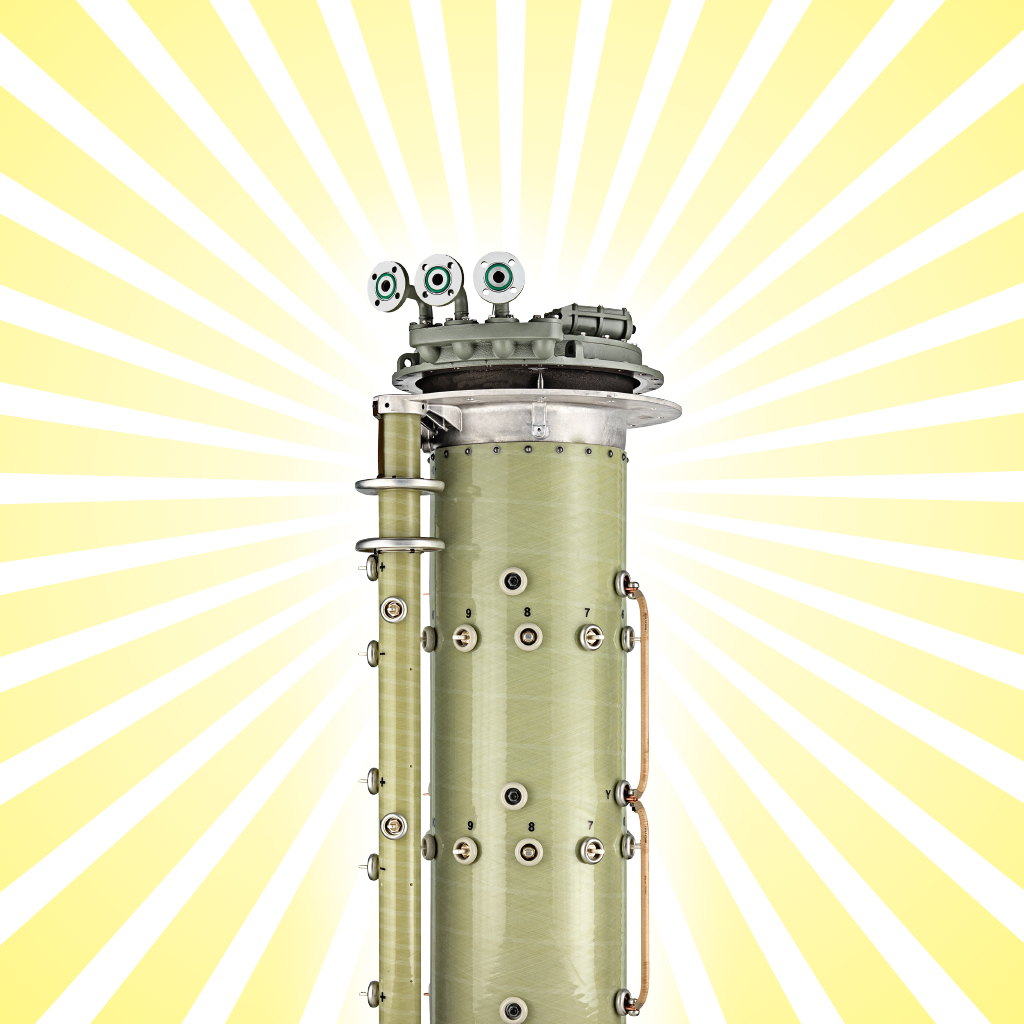
For 100 years, Reinhausen has been contributing to a stable power supply. A journey through the history of electrification.
1926 — 1949
Large scale electrification begins
2 billion people live on Earth
15 % of the world’s population has access to electricity
1926 electricity comes from these sources:
 Coal
Coal
78 %
 Gas
Gas
2 %
 Hydropower
15 %
 Renewables
5 %
The key foundations of electrification are laid by the 1920s: In 1866, Werner von Siemens makes electricity generation possible using the dynamo-electric principle. About a decade later Thomas Edison makes the incandescent light bulb suitable for everyday use. And with the development of the transformer in the 1880s alternating current technology becomes the standard for power transmission. The streets of major cities now glow with electric light, and in more and more factories, electricity pow ers machines and drives. But appearances are deceiving: the general population, especially in rural areas, still has no access to electricity Uniform standards are also lacking, and the electricity landscape resembles a patchwork quilt, with power generation and consumption taking place locally. Furthermore, even where power is already available, the supply is unstable. Transformers that can be adjusted under load are intended to change this. Although there are initial attempts using tap changers based on the reactor principle, they are technically very complex.

The first tap changer
Before Dr. Bernhard Jansen invented the high-speed resistor-type tap-changer, transformers usually had to be taken off the grid to change the transmission ratio. Reinhausen produced the first prototypes in 1929 and launched its first successful model, type C, in the 1930s. This design relied on a combination of a housing (tube) with a rotating contact system. This enabled a more compact and maintenance-friendly design.
1901
Founding of Maschinenfabrik Reinhausen
1926
Patent for the high-speed resistor-type tap-changer
1929
Collaboration between Dr. Bernhard Jansen and MR begins
1933
OILTAP® C: First tap changer based on Jansen’s design
1942
The Scheubeck brothers take over MR
1950 — 1970
The years of the economic miracle – Today’s power grid takes shape
2.5 billion people live on Earth
40 % of the world’s population has access to electricity
1950 electricity comes from these sources:
Coal
72 %
Gas
5 %
Hydropower
20 %
Renewables
3 %
In the two decades following World War II, the global economy grows rapidly – and with it, the demand for electricity. Not only industry but also private households require ever more energy, as electrical appliances such as washing machines, refrigerators, and televisions gradually become standard household items. During this period, power grids in Europe evolve from regional supply structures into large-scale, national, interconnected power grids, and international grid coordination is also being promoted as early as the 1950s. Both developments necessitate phase shifters for load flow control, which cannot operate without tap changers. With high-voltage direct current (HVDC) transmission, a new technology gradually gains acceptance for transporting electricity over long distances with low losses. Without tap changers in the converter stations, this is not economically viable.
Higher switching capacity
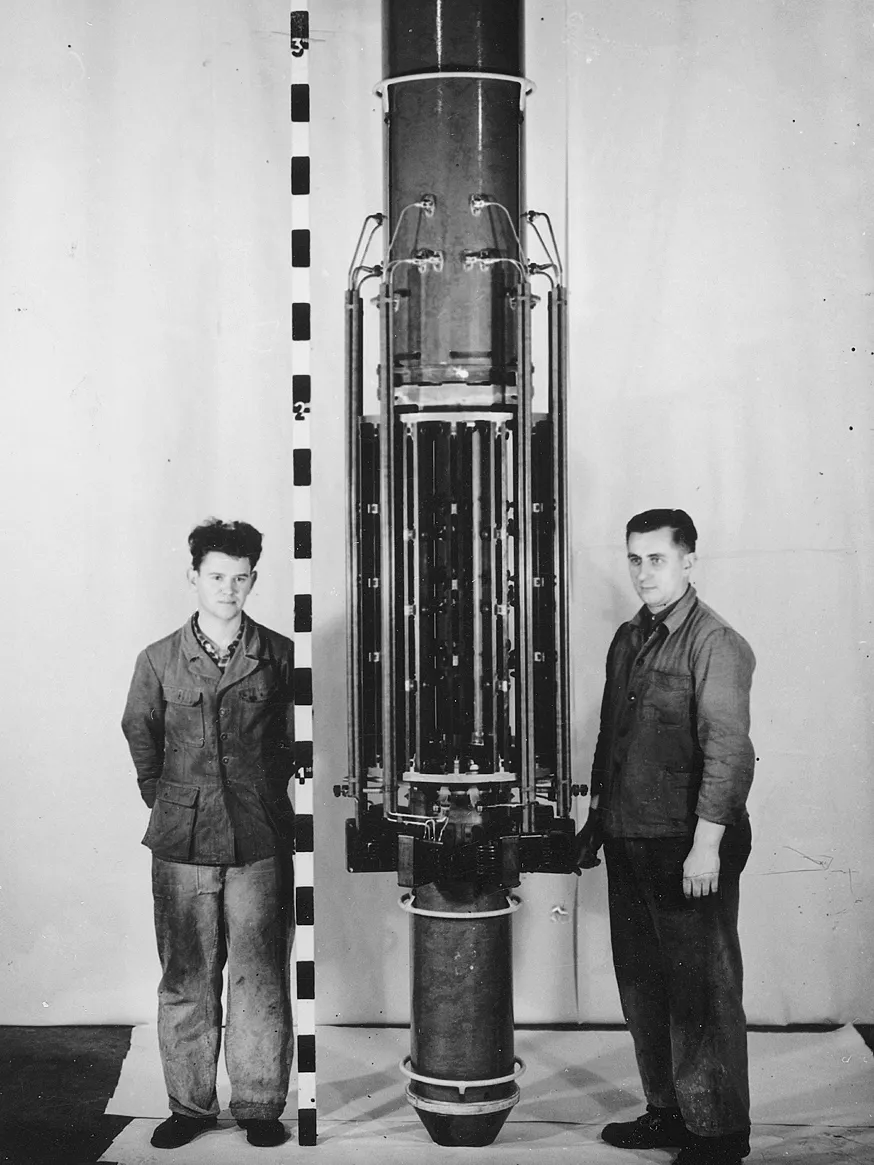
As electricity demand grew rapidly, so did the need for more powerful tap changers. Reinhausen’s type D, developed as early as 1943, achieved higher switching capacities by separating the diverter switch and selector, thereby meeting demand. In the 1960s, types G and K followed as solutions for extra-high voltage.
1950
The oldest tap changer still in operation is produced. It is still in use today at the UNIPER oil-fired power plant in Ingolstadt
1953
The company moves to Falkensteinstraße
1957
Exports account for 50 % of sales
1958
Jansen passes away; MR takes over development tasks
1971 — 1989
Expansion and new consumers
3.8 billion people live on Earth
50 % of the world’s population has access to electricity
1971 electricity comes from these sources:
Coal
52 %
Gas
13 %
Hydropower
21 %
 Nuclear power
3 %
Renewables
11 %
In the 1970s and 1980s, the expansion of power grids continues worldwide, though the focus shifts from that of the postwar period. Whereas previously the emphasis had been on building national grids, the focus now increasingly turns to interconnecting large power systems. High-voltage and extra-high-voltage transmission lines are built across borders to balance peak loads, share reserve capacity, and increase the reliability of supply. The 1973 oil crisis also marks an important turning point in energy supply – to become less dependent on oil, the expansion of nuclear energy is accelerated worldwide. A phase of technological modernization also begins – the increasing availability of computers automates grid control centers, and SCADA systems enable large-scale remote monitoring and control of power grids in real time for the first time.

A legend
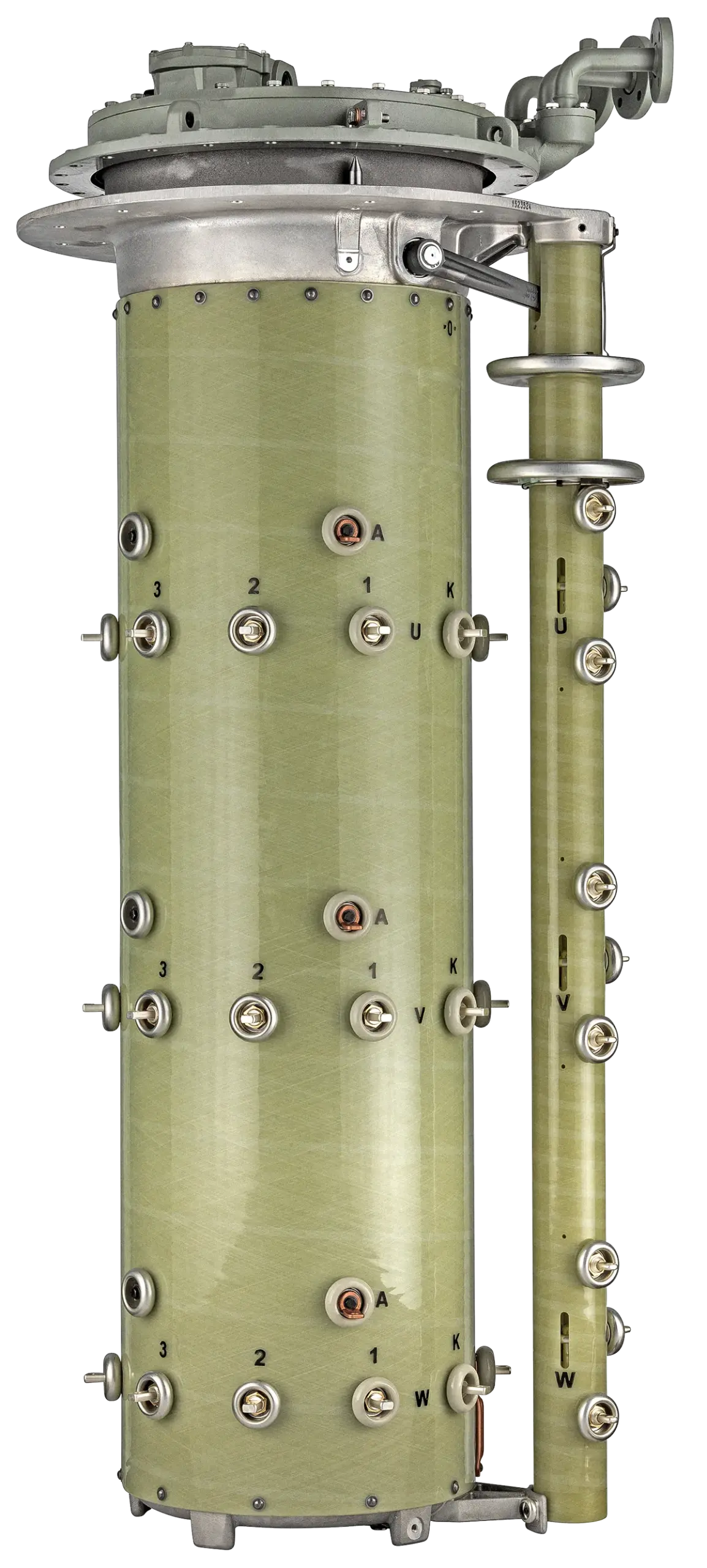
To meet virtually every customer requirement, Reinhausen continued to expand its portfolio. The OILTAP® M, developed in 1973 – the “VW Golf” of on-load tap-changers – enabled greater flexibility in terms of load current, voltage requirements, and number of tap positions thanks to its modular design which made this tap changer popular for many applications. Another innovation involved an oil tank made of glass-fiber-reinforced plastic (GFRP) instead of hard paper. Reinhausen was the first manufacturer to use this innovative material in an on-load tap-changer.
1976
First training center in Regensburg
1980
First foreign subsidiary in Brazil
1989
Acquisition of tap-changer production from Westinghouse & Siemens
1990 — 2000
Liberalization of the electricity markets
5.3 billion people live on Earth
76 % of the world’s population has access to electricity
1990 electricity comes from these sources:
Coal
38 %
Gas
15 %
Hydropower
18 %
Nuclear power
17 %
Renewables
12 %
The 1990s are a time of new beginnings: The Iron Curtain has fallen, computers are increasingly shaping the workplace, the World Wide Web goes online, the digital age begins, and the mobile phone gains widespread acceptance thereby permanently transforming communication. In many countries, particularly in Europe, electricity markets are being liberalized, and generation, transmission, and distribution are being separated. At the same time, international interconnection is increasing, and with it, the cross-border electricity trade. The growing number of players and trade flows significantly increase the complexity of grid operation and necessitate more computer-aided control. Progress is also being made in the technical development of renewable energy generation. A milestone is the world’s first offshore wind farm, which goes into operation in Denmark in 1991.
The vacuum revolution
MR entered the vacuum switching technology market as early as the late 1980s with the acquisition of the reactor switch division of Westinghouse Electric Corporation. In 2000, the VACUTAP® VV® marked a breakthrough in the field of high-speed tap changers. The first of these tap changers with vacuum technology for oil-filled transformers made it possible to operate the tap changer with virtually no maintenance. Reinhausen thus modernized the basic principle for the next millennium.
1990s
The company’s globalization continues
1999
Messko GmbH becomes part of the REINHAUSEN Group
from 2001
The energy transition gains momentum
6.2 billion people live on Earth
78 % of the world’s population has access to electricity
2001 electricity comes from these sources:
Coal
39 %
Gas
19 %
Hydropower
17 %
Nuclear power
17 %
Renewables
8 %
Since the 2000s, more and more solar and wind farms have been built and PV systems installed on rooftops, and the share of renewable energy in the overall energy mix is steadily increasing. The expansion of HVDC lines is progressing to transport energy generated by offshore wind farms or in remote generation regions to consumption centers. The rapid expansion of renewable energy, particularly wind and solar power, is leading to more decentralized and volatile electricity generation. Previously unidirectional load flows are now becoming increasingly bidirectional, especially in the distribution grid sector. And with the rise of electric mobility, new consumers are being added. All of this makes the regulation of distribution grids necessary. At the same time, the infrastructure in many locations is reaching a critical age, and monitoring solutions and maintenance services for equipment are thus gaining in importance.

Regulated distribution networks
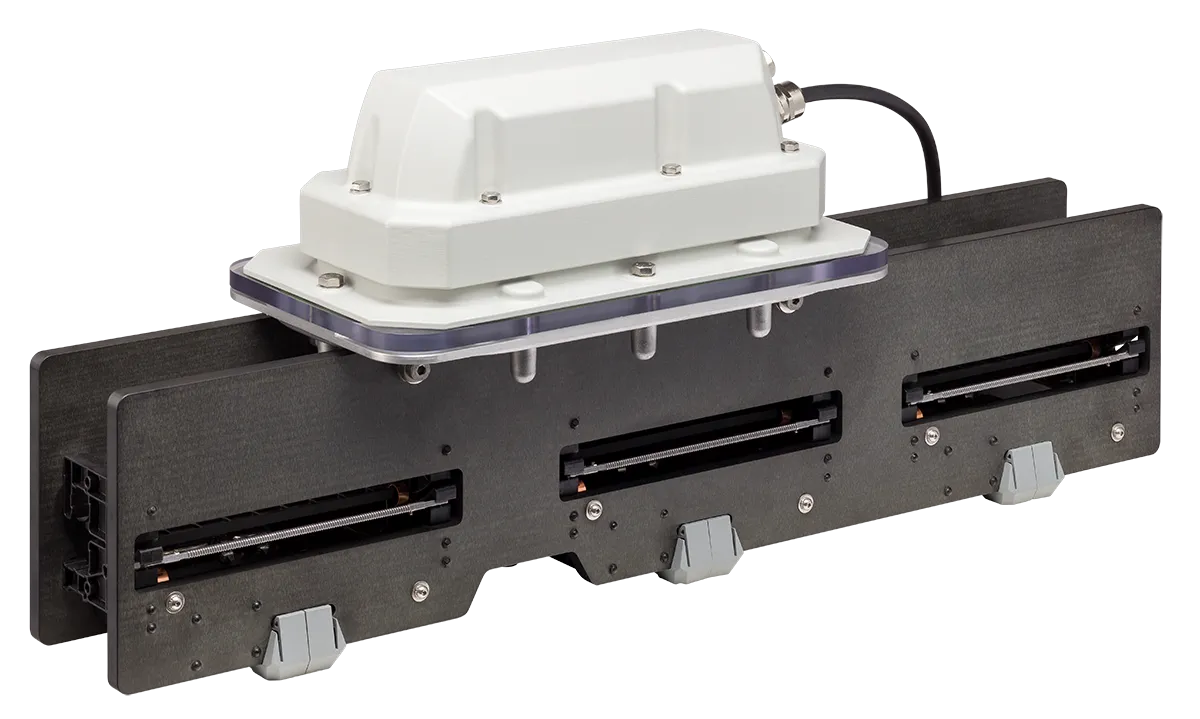
To make distribution grids controllable, tap changers are needed that are small, cost-effective, and can be manufactured in large quantities. In 2012, Reinhausen launched the GRIDCON® iTAP®, the first tap changer for distribution transformers. In 2016, the ECOTAP® VPD® marked a decisive milestone, and the world’s smallest high-speed resistor-type tap-changer is already in widespread use today, thereby contributing to the success of the energy transition.
2001
100,000 tap changers “Made by Reinhausen”
2002
HIGHVOLT becomes a member of the REINHAUSEN Group
2002
The Power Quality division is founded
2009
Reinhausen Power Composites is founded
2009
Reinhausen celebrates its 125th anniversary
to 2126
Looking to the future
8.3 billion people live on Earth
92 % of the world’s population has access to electricity
2026 electricity comes from these sources:
Coal
34 %
Gas
22 %
Hydropower
15 %
Nuclear power
9 %
Renewables
20 %
10.5 billion people live on Earth
99 % of the world’s population has access to electricity
2126 electricity is expected to come from these sources:
Coal
3 %
Gas
7 %
Hydropower
12 %
Nuclear power
23 %
Renewables
55 %
A world without electricity has long been unthinkable – communication, transportation, our work, and our entire lives depend on a reliable power supply. In the coming decades, power grids face a fundamental transformation. It is already clear today that global electricity demand will double by 2050 – driven by the electrification of the mobility and heating sectors, our hunger for data, and the use of artificial intelligence. At the same time, the complexity of the grids is increasing due to the continued expansion of renewable energy. New technologies will be necessary to meet these challenges. Whether it’s superconducting cables, local direct-current grids, smart control systems, or large-scale storage solutions – the industry is working diligently to develop the flexible, digital, and resilient grids of the future.
The technologies for tomorrow
Reinhausen is once again demonstrating its innovative strength with its latest tap-changer technology, VACUTAP® VI. But the company has long been more than just a manufacturer of on-load tap-changers. In addition to comprehensive services – which increasingly involve complete substations – Reinhausen offers solutions for power quality, the ETOS® automation solution, and systems for asset performance monitoring. Reinhausen as “The Power behind Power” and complemented by expert consulting, is actively shaping the path toward the all-electric society.