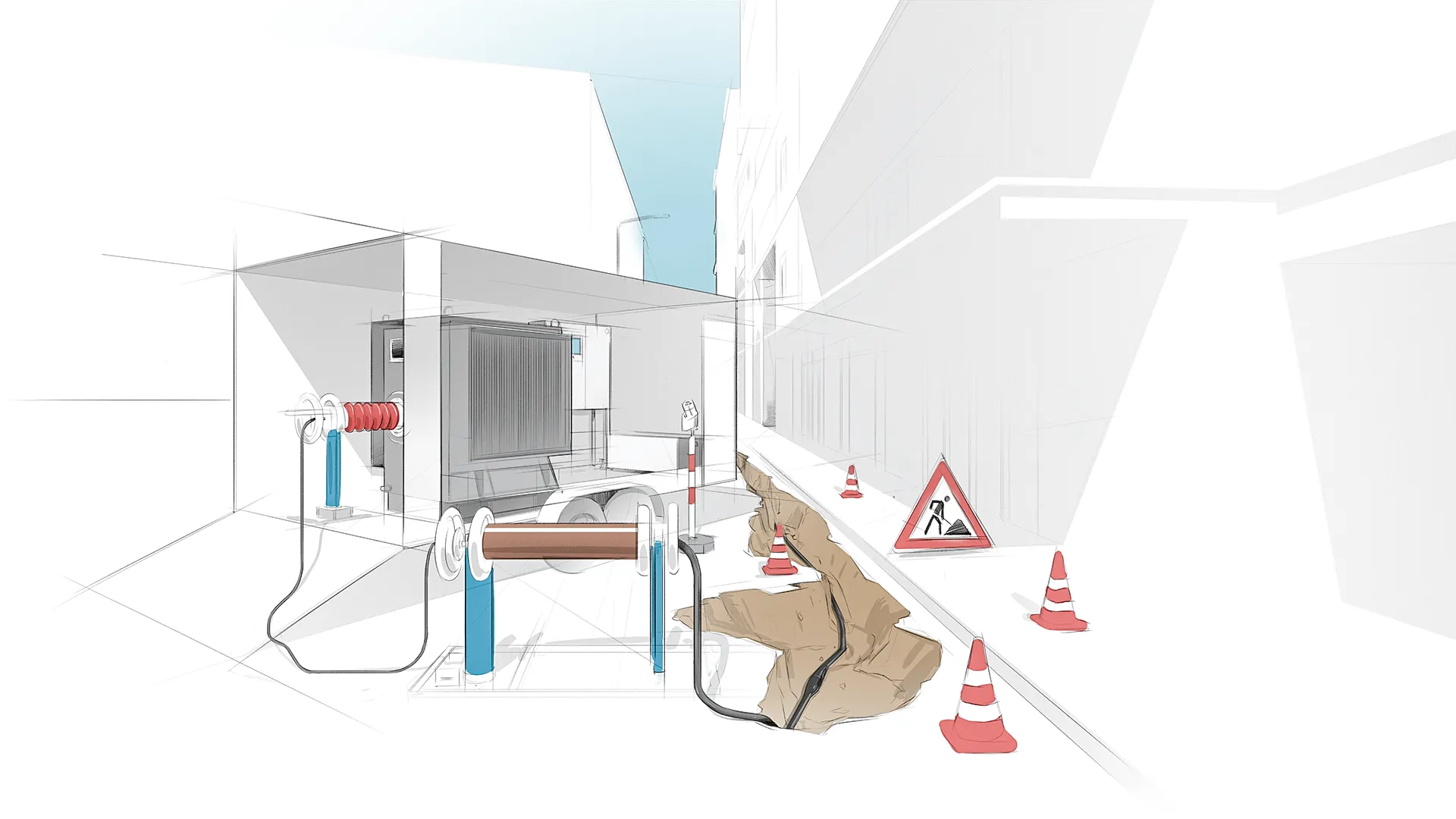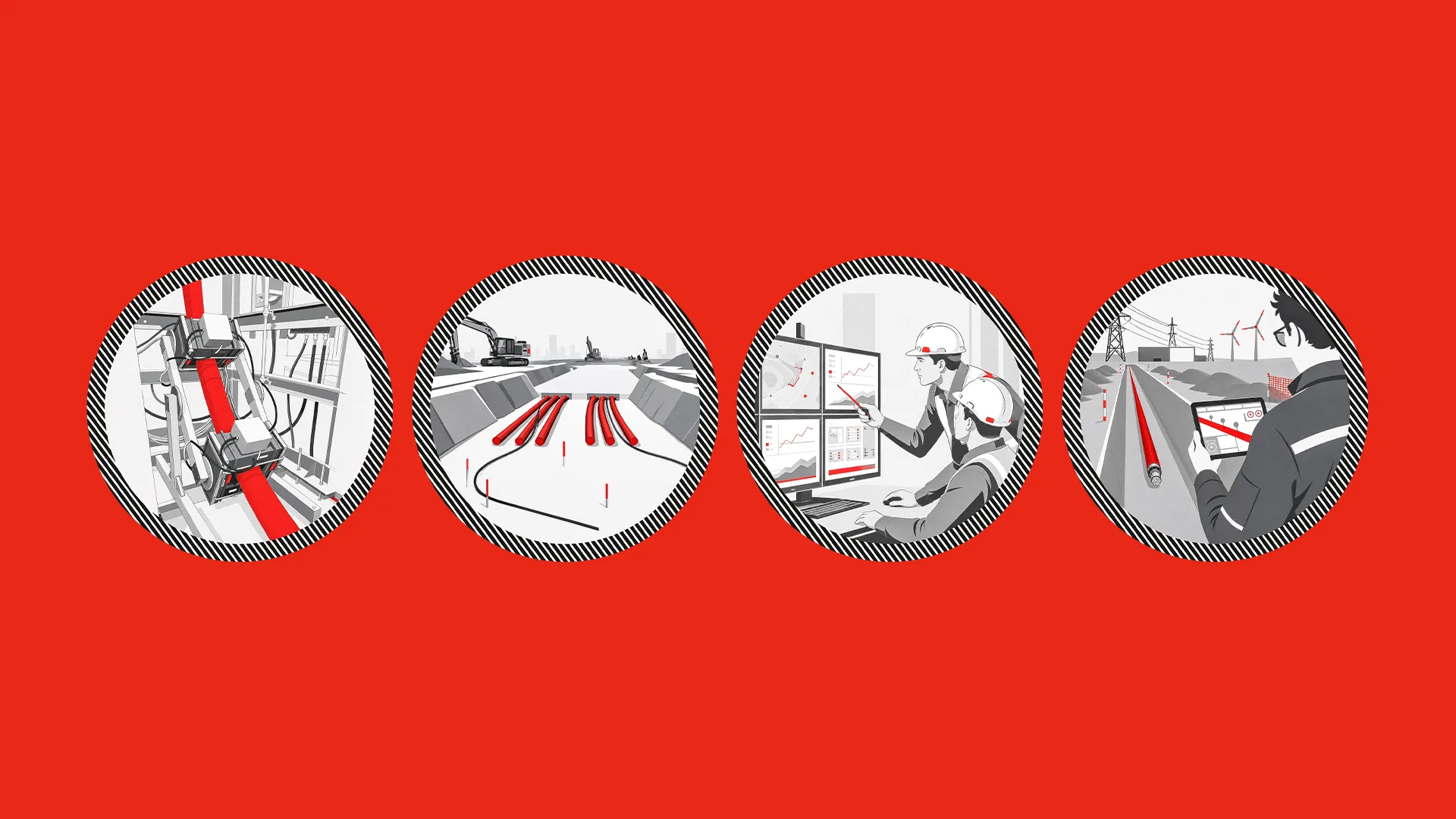
Whether overhead lines, underground cables, or submarine cables – if they fail, millions of people are left in the dark. Grid operators and cable manufacturers want to prevent this and therefore need to know the condition of their cables and lines. The HiMON® monitoring system from HIGHVOLT makes exactly that possible – from manufacturing in the factory through installation to decades of operation.
When Reinhausen subsidiary HIGHVOLT launched its HiMON® cable monitoring system four years ago, hardly anyone imagined the number of applications for which the technology would ultimately be suitable. HIGHVOLT initially developed the solution to monitor the condition of kilometers of HVDC underground cables – such as those in the SüdLink and SüdostLink power highways, which transport wind power from northern Germany to industrial centers in the south. HiMON® proved its worth, and soon HIGHVOLT began receiving inquiries from grid operators and cable manufacturers asking whether the technology could also be used for AC cables, submarine cables, neutral conductors, or overhead systems. At the same time, it became clear that cable monitoring involves more than just collecting measurement data. Grid operators need an intelligent early-warning system that identifies risks, evaluates them, and provides concrete recommendations for action. That is why HIGHVOLT engineers continued to develop the technology in close collaboration with customers – evolving it into a platform that bundles sensor technology, data analysis, expert evaluation, and services, and supports cable systems throughout their entire lifecycle.

1
A fingerprint at birth
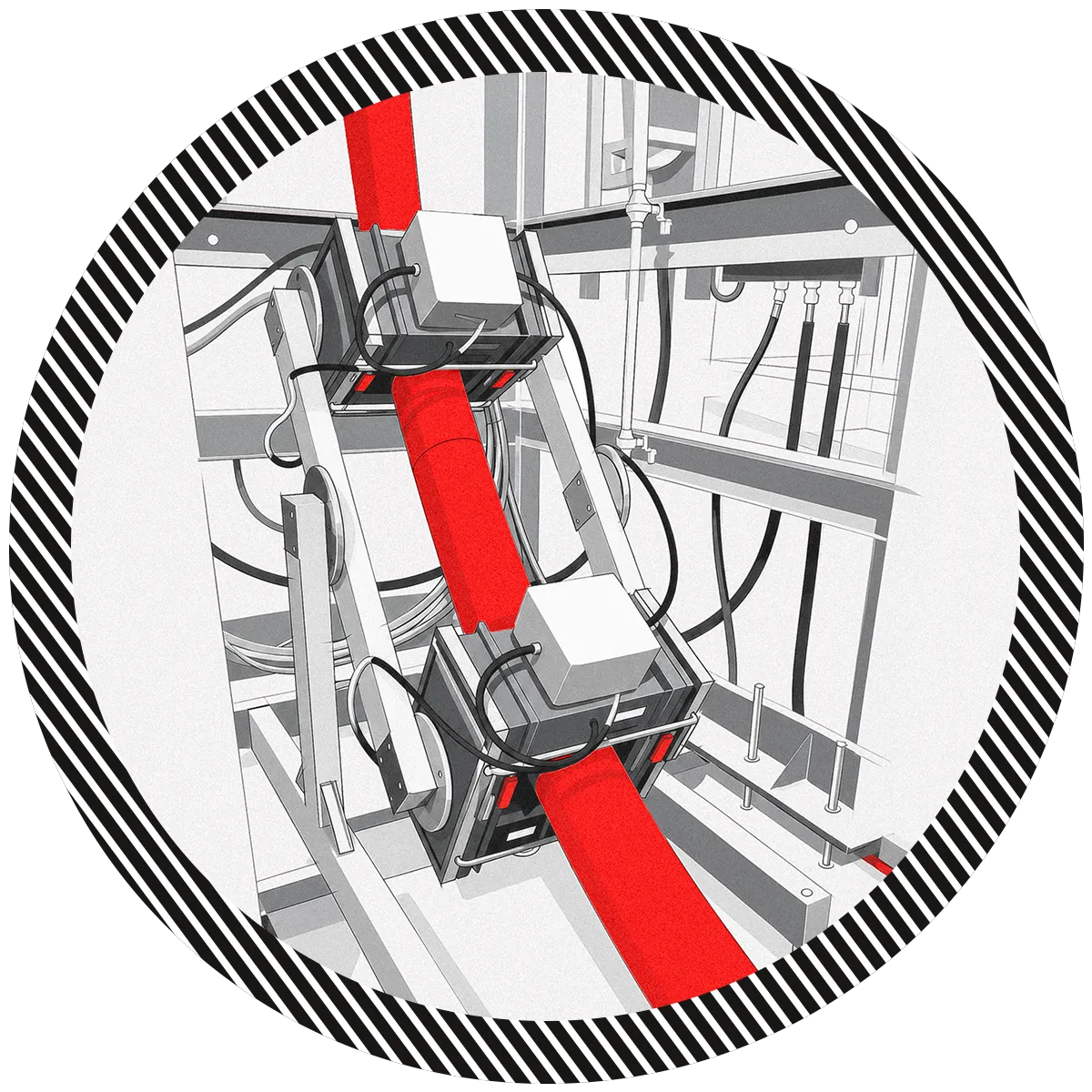
Before a cable leaves the factory, manufacturers inspect its condition immediately after production. How is the insulation performing? Are there signs of partial discharges? And how do electrical signals change as they travel through the cable? HiMON® captures this information and uses it to create a technical fingerprint which shows whether the cable passes all tests and also serves as a reference for future operation. This is extremely valuable for grid operators as they can then compare the cable’s current condition with its baseline values at any time and detect deviations early on. The condition assessment thus begins even before commissioning.
2
The cable is connected to the grid
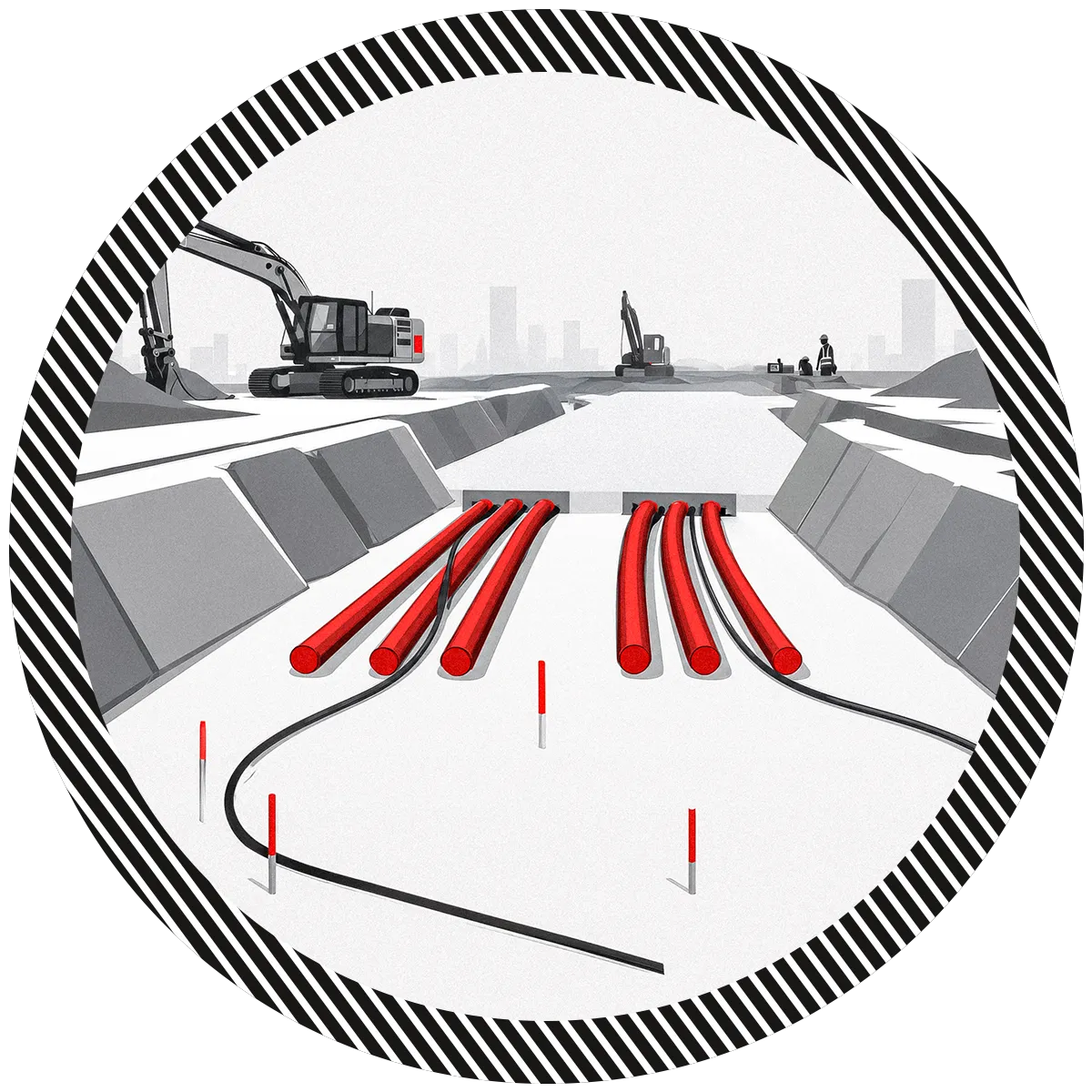
Once the cable has successfully passed its tests, it is ready for installation. It now becomes part of the power grid – and HiMON® along with it. Various sensor types are installed along the cable route. HiMON® Blue, for example, is mounted at intervals of twelve kilometers on the cable joints to detect even the smallest partial discharges. This allows the system to detect and locate early signs of insulation damage. HiMAG® Red, on the other hand, is located at the ends of the cable route. It measures signal patterns that occur during a cable breakdown to determine its exact location. For grid operators, this is a decisive advantage – precise fault location saves them valuable time and high costs in an emergency. After all, they not only know that damage has occurred, but also exactly where.
3
A cable is getting old
Once the cable is connected and laid, its daily life in the power grid begins. Whether buried underground or underwater, the ravages of time now take their toll. Environmental factors and power fluctuations cause the cable to age and exacerbate even the smallest weaknesses that may have arisen during manufacturing or installation – more so in some places, less in others. HiMON® reliably identifies which sections are particularly affected and could become problematic. To do this, the monitoring platform continuously collects data, consolidates it in the cloud, and compares it with the cable’s technical fingerprint. This allows HiMON® to detect even the slightest changes and report potential weak points via a traffic-light system. Network operators can thus identify where a problem is developing early on, long before it becomes a problem. This makes cable maintenance more proactive and gives network operators significantly more time to plan and implement measures.
4
Health check for older cables as well
But what about the many cables that have been in use for decades? HiMON® is perfect for these too – because the technology can be retrofitted. The cable doesn’t even need to be cut open. The sensors can simply be wrapped around the cable. This way, HiMON® provides valuable data for condition assessment even in older industrial networks. But that’s not all. The monitoring platform also includes HIGHVOLT’s service and expertise so that network operators don’t need to view or analyze the measurement data themselves. In addition to artificial intelligence for pattern recognition, the experts at the Dresden-based company provide support. Depending on the service level, they actively monitor cable health, evaluate anomalies, and provide network operators with concrete recommendations for action.
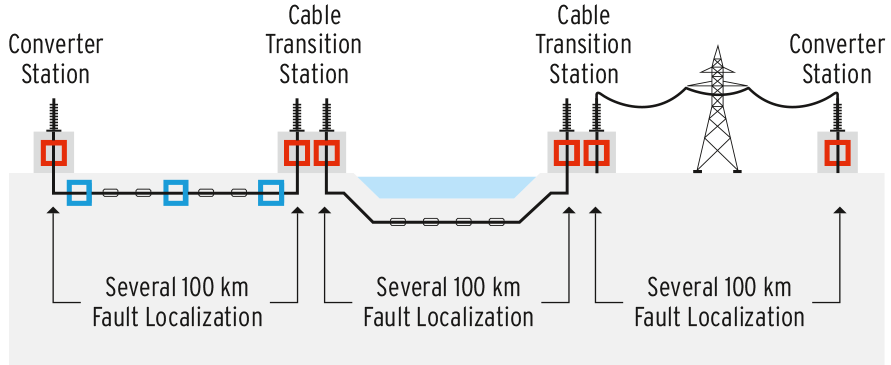
HiMON® monitors underground cables, submarine cables, and overhead lines wherever outages would be problematic. The system detects anomalies early on, pinpoints faults with precision, and helps grid operators maintain critical infrastructure with foresight.
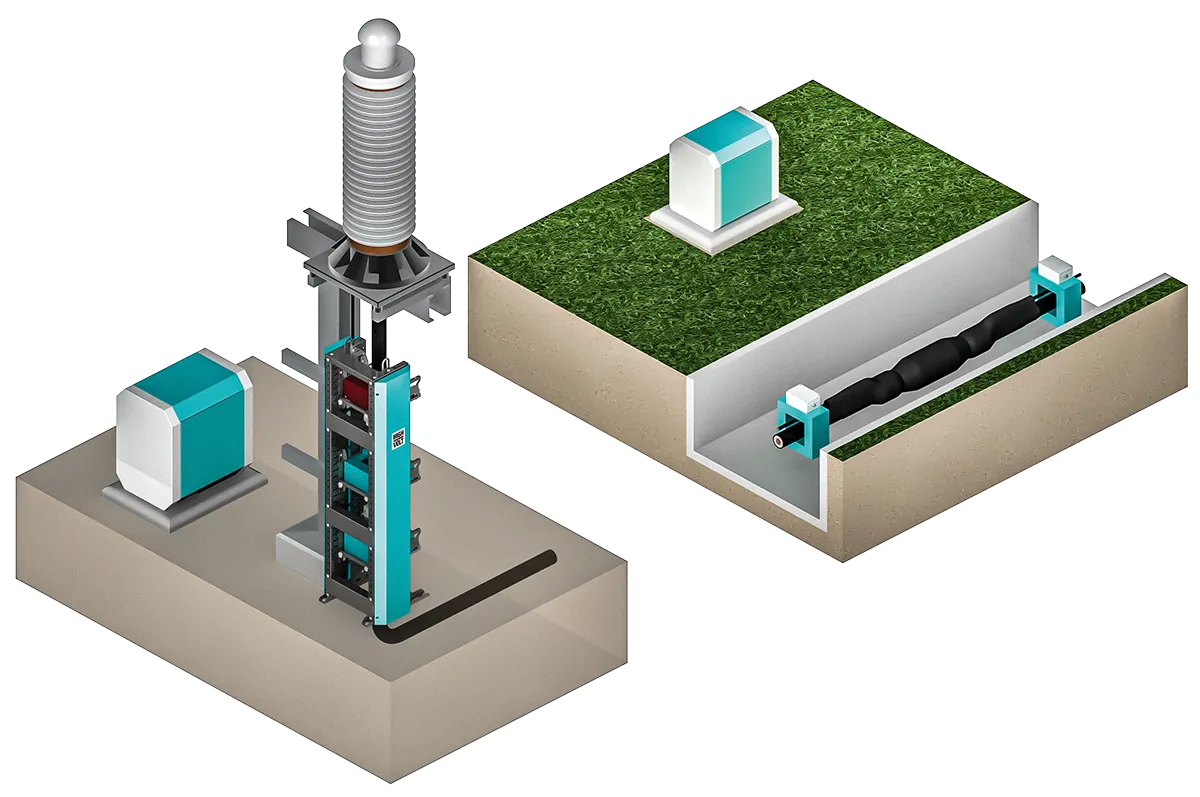
Sensors along the cable detect electrical signals directly during operation. The monitoring platform analyzes the data in real time, detects even the slightest changes, and pinpoints faults with meter-level accuracy – serving as a digital early-warning system for power grids.
5
Simulating aging

Every measurement provides data. And the more data there is, the better our understanding of a cable becomes. HiMON® consolidates these vast amounts of data and uses them to build a digital twin. In the future, this virtual copy will show how the cable will perform under specific conditions. This transforms simple monitoring into true predictive maintenance – aging can be simulated, risks assessed even earlier, and measures planned well in advance. At the same time, insights from the simulations can be applied to other cables. For network operators, this shows, for example, which lines, under comparable conditions, could next become critical. In addition, cable manufacturers gain faster insights into where aging begins first, allowing them to specifically address these weak points during development and manufacturing. Thus, in the coming years, not only will the database grow, but so will the HiMON® universe itself. Together with grid operators and cable manufacturers, HIGHVOLT is continuously developing the platform further – with new features, new applications, and ever-increasing knowledge derived from real-world measurements directly in the field.